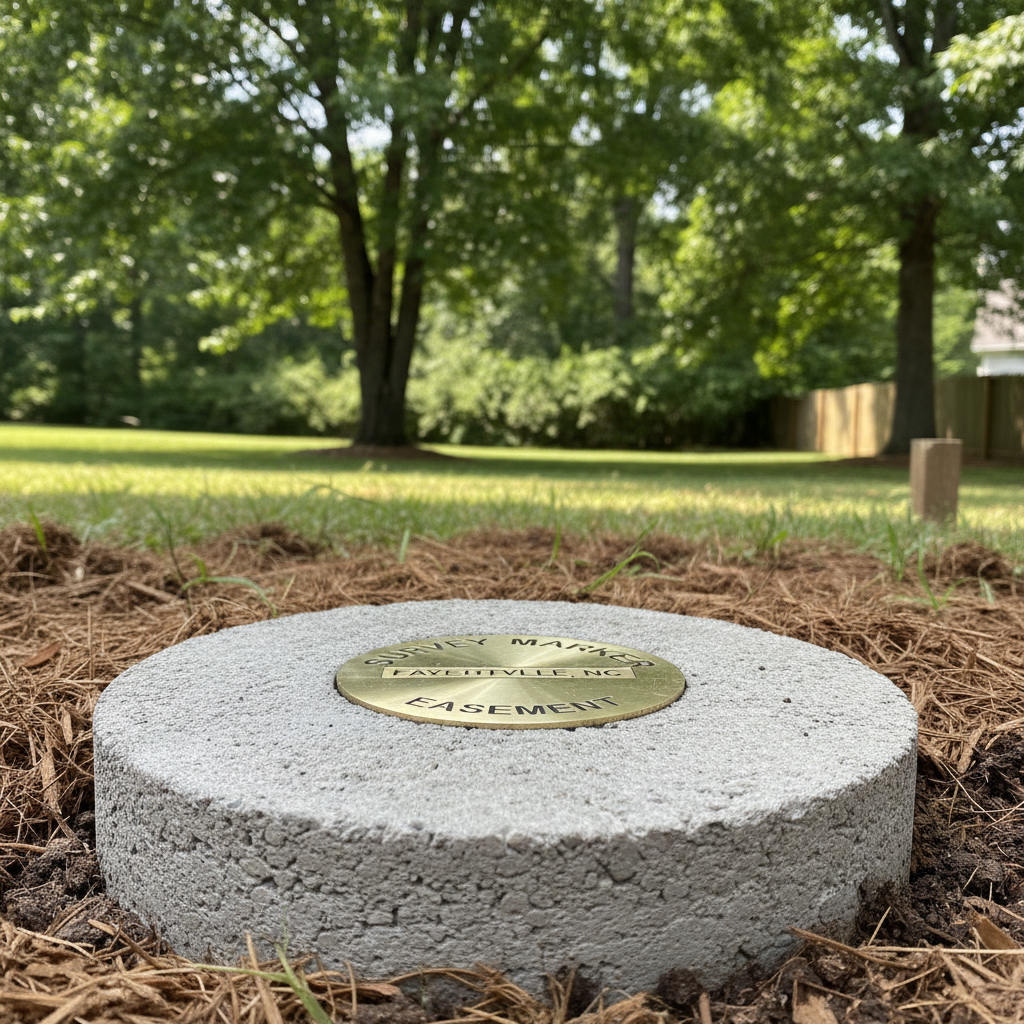
Understanding Easements: What They Are & Why They Matter
Let's talk easements for a minute. You own your land, right? But sometimes, someone else actually has a legal right to use a piece of it for a specific reason. That's an easement. It could be for utility lines running underground, a driveway you share with a neighbor, or even just a path for someone else to get to their property. Here in Fayetteville, especially in some of the older neighborhoods or places right next to new developments, you see all sorts of them. They aren't always obvious, but boy, can they ever affect what you can and can't do on your own property.
Ignoring an easement? That's just asking for trouble, believe me. Imagine putting up a new fence or a shed, only to discover it's sitting right in the middle of a utility easement. Suddenly, you're tearing it down, paying fines, or, even worse, caught up in a legal fight. That's why knowing exactly where these lines are drawn is so important.
Before You Call a Surveyor: What You Can Do Yourself
Before you even think about calling Fayetteville Land Surveyors, there are a few things you can do to get a jump start. This isn't about doing our job for us; it's just about being prepared and understanding your own property a little better.
- Check Your Deed & Title Report: Your property deed should mention any easements that are officially recorded. If you've got a title insurance policy, the title report will list them too. These documents are your first and best place to look for information.
- Look for Physical Clues: Sometimes, easements are pretty easy to spot. See power lines, utility poles, or a drainage ditch cutting through your yard? Those are strong hints. A well-worn path across your back forty might even suggest a prescriptive easement, though those are a bit harder to prove.
- Talk to Neighbors: If you're on good terms, your neighbors might know about shared easements or how the land has been used historically. Just remember, their word isn't legal proof, but it can definitely give you some valuable clues.
- Review Public Records: The Cumberland County Register of Deeds office is where all property records are kept. You can often search online for recorded plats and easement documents related to your property. It's a bit like detective work, but hey, it's free.
Doing this legwork yourself really gives you a much clearer picture of what you're dealing with. You might even find out you don't have any easements at all, which is always a nice surprise!
When It's Time to Call a Pro: The Easement Survey
Okay, so you've done your homework, and maybe you've found some evidence of an easement, or perhaps you're just not quite sure. That's when you really need a professional easement survey. This goes beyond just finding your property lines; it's about precisely locating and defining any existing easements on your land.
Here's what an easement survey involves:
- Research: We'll dig into public records, just like you did, but with a lot more experience and access to specialized tools. We're on the hunt for recorded easements, old plats, and any other documents that define property rights.
- Field Work: Our crew will come out to your property. We use specialized equipment — GPS, total stations — to accurately measure and map your land. We're looking for existing markers, physical features, and anything that relates to the easement. The sandy loam soil we often find around Fayetteville can sometimes cause old markers to shift or get buried, so we're always super thorough.
- Drafting the Plat: Once we have all the data, we create a detailed plat. This drawing will show your property boundaries, the location of any structures, and, most importantly, the exact location, dimensions, and purpose of any easements. It'll be clear as day.
You really can't do this part yourself. It takes licensed professionals, specialized equipment, and a deep understanding of property law and surveying principles. Trying to guess or measure it with a tape measure is just asking for trouble down the road, wouldn't you agree?
After the Survey: What to Do Next
Once you have your easement survey plat in hand, you're in a much stronger position. You'll know exactly where you stand, which is a huge relief.
- Understand the Plat: Take the time to review the plat with your surveyor. We'll explain everything, making sure you understand the boundaries, the easement locations, and what they mean for your property rights.
- Know Your Rights & Restrictions: An easement isn't usually a free-for-all. There are specific rights for whoever holds the easement and restrictions on what you, as the property owner, can do within that area. For example, a utility easement often means you can't build permanent structures there, but you might be able to plant certain types of landscaping.
- Protect Your Investment: Keep that survey plat safe! It's a crucial document for your property records. If you ever plan to build, sell your home, or have a dispute with a neighbor or utility company, that survey is your proof. It can save you a lot of time and money.
- Communicate: If you're planning any work near an easement, communicate with the easement holder (e.g., the utility company, your neighbor). It's always better to be proactive and avoid conflicts.
Having an easement survey done by a reputable company like Fayetteville Land Surveyors provides real clarity. You'll know exactly what you own, what rights others have, and how to best manage your property. Don't leave something this important up to guesswork.