What exactly is an easement, anyway?
Alright, let's get this straight from the start. An easement isn't some fancy legal term to scare you; it's just a legal right for someone else to use a portion of your property for a specific purpose. You still own the land, but you can't block or interfere with that specific use. Think of it like this: your neighbor might have an easement to cross a corner of your yard to get to their driveway, or the city might have one to run a sewer line under your backyard. It's a pretty common thing, especially in older neighborhoods or areas with lots of utility infrastructure.
Why would I even need an easement survey?
You'd be surprised how often this comes up. Most folks don't think about easements until they're trying to do something big with their property. Say you're planning to build a new fence, put in a pool, or add an extension to your house. You absolutely need to know if there's an easement running through that area. Building over an easement can cause huge headaches, from having to tear down your new construction to facing legal battles with the easement holder. It's also critical if you're buying or selling property. You want to know exactly what you're getting into, or what you're selling. A good survey from Fayetteville Land Surveyors can save you a ton of grief and money down the line.
How do I find out if there are easements on my property?
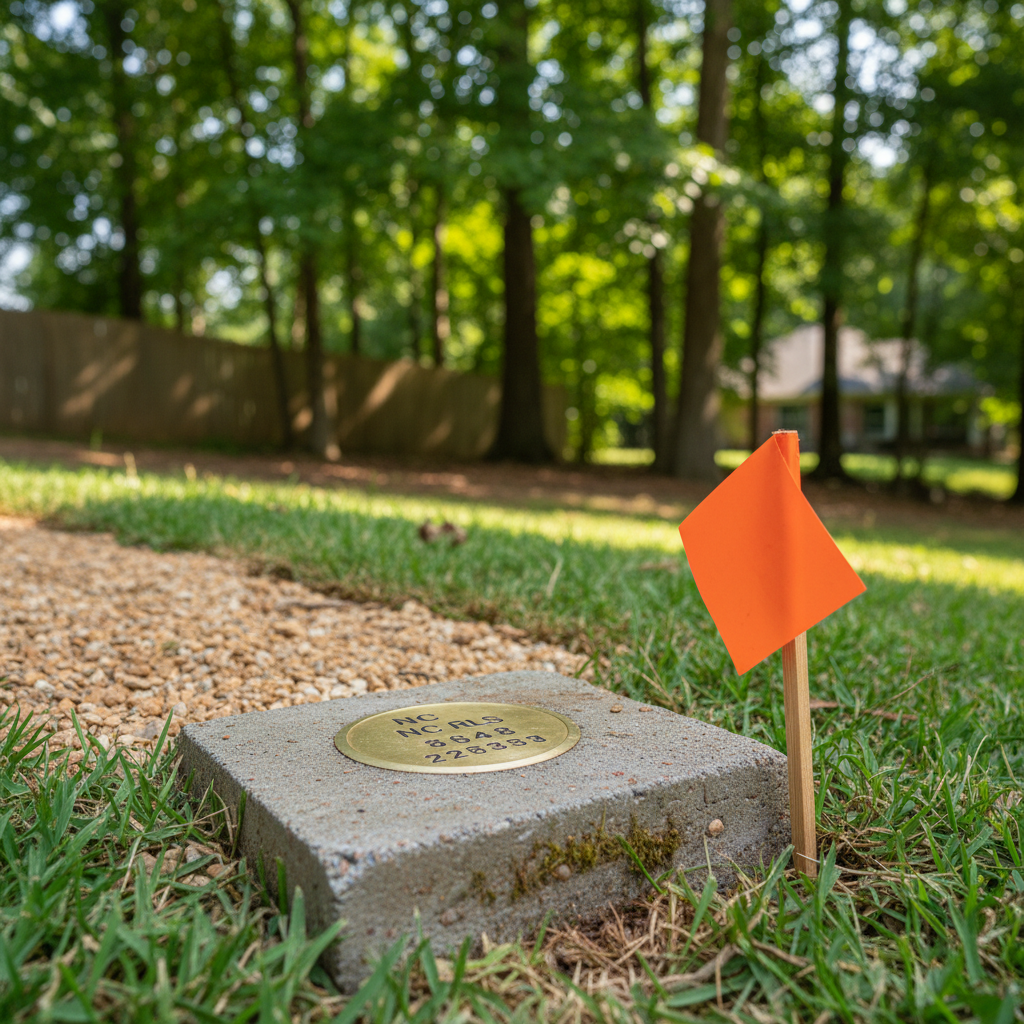
The first place to check is your property deed. Easements are usually recorded with the county and should be referenced in your deed or the title report when you bought the house. Sometimes, though, those documents can be a bit vague or just point to a plat map that's hard to read without a surveyor's eye. That's where a professional survey comes in. We can dig into the county records, look at historical plats, and then physically locate and mark these easements on your property. Don't just guess; that's a recipe for disaster.
Can I build on or over an easement?
Generally, no, you can't. Not without permission, at least, and even then, it's risky. The whole point of an easement is to allow someone else (or a utility company) specific access or use. If you build a shed, a deck, or even plant a big tree over a utility easement, for example, and the utility company needs to access their lines, they have the right to remove whatever's in their way. And they won't be paying you for the damage. It's better to know exactly where those lines are and plan your projects around them. I've seen folks in areas like the Jack Britt district get into trouble because they didn't realize a drainage easement ran right where they wanted to put their new patio.
What's the difference between a utility easement and a private easement?
It's all about who benefits. A utility easement is for public services like water, sewer, electricity, gas, or telecommunications. Duke Energy or Fayetteville PWC, for instance, might have easements to access their equipment. They're pretty common and essential for keeping our homes running. A private easement, on the other hand, benefits a specific individual or a neighboring property. This could be that shared driveway I mentioned earlier, or an access path to a landlocked parcel. Both are legally binding, but the parties involved and the specific rights can differ.
How much does an easement survey cost in Fayetteville?
This is one of those